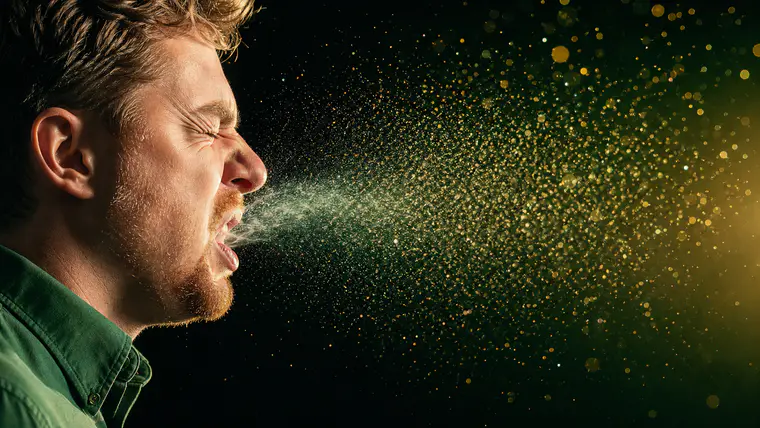
Why We Sneeze: A Powerful Built‑In Defense
A sneeze is one of the body’s fastest, most coordinated reflexes. In a fraction of a second, your brain, lungs, diaphragm, throat, and facial muscles work together to blast out air and droplets, clearing irritants from the nose and upper airway. We typically notice the tickle, the sharp inhale, the eye-squeeze—and then the unmistakable “achoo.” But beneath that familiar sound is elegant biology, clever physics, and some surprisingly useful life tips.
The Reflex, Step by Step
1) Irritation starts the chain
Tiny sensors lining your nasal passages constantly scan the air for trouble—dust, pollen, cold air, spicy aerosols, smoke, even sudden swirling of dry air. When they detect irritants, they signal branches of the trigeminal nerve (the big sensory nerve of the face).
2) The “sneeze center” coordinates
Those nerve signals converge in the brainstem—often called the sneeze center—where incoming data is weighed against your body’s priorities. If enough “irritant votes” accumulate, the reflex fires.
3) Pressure builds
Your diaphragm and chest muscles contract for a deep pre-sneeze inhale. The vocal cords and soft palate briefly close the exit paths, building pressure in the chest and throat—think of pressurizing a tiny air cannon.
4) The explosive release
The vocal cords spring open and your chest muscles drive a powerful exhale. The soft palate and tongue shape the outflow so that air and mucus shoot primarily through the nose (often with some through the mouth). That rush of air grabs droplets and particles and propels them out into the surrounding air.
5) Reset
Within moments, breathing normalizes, your eyes reopen, and the nasal lining continues clearing debris via microscopic cilia and mucus.
What Triggers a Sneeze?
Sneezes are most often a protective response, but the trigger list is longer—and quirkier—than many people realize.
- Particles and pollutants: Dust, smoke, pet dander, mold spores, and peppery powders mechanically irritate the nasal lining.
- Allergens: Pollen, dust mites, cat proteins, or molds prompt the immune system to release histamine, swelling the lining and priming the sneeze reflex.
- Infections: Colds and other respiratory viruses inflame tissues and crank up mucus, making sneezes common in early illness.
- Sudden light exposure: The “photic sneeze reflex” (also known as ACHOO) makes some people sneeze when they step into bright sunlight or look at a flash. It tends to run in families.
- Temperature and air shifts: Very cold, dry, or fast-moving air can trigger a sneeze, especially when entering or leaving air-conditioned spaces.
- Irritating scents and aerosols: Perfumes, cleaning sprays, hair spray, and cooking fumes can all set off sensitive noses.
- Mechanical stimulation: Plucking nasal hairs or even a strong nose tickle can directly provoke the reflex.
- Eating certain foods: Spicy dishes can trigger a runny nose and occasional sneezes (gustatory rhinitis) in some people.
The Physics of the “Achoo”
A sneeze is an engineered airflow event. The chest compresses; the airway shapes a jet; and the nose and mouth become nozzles. The outgoing burst forms a turbulent cloud that carries droplets of many sizes—from fine mists to visible beads. In still indoor air, those droplets can travel a noticeable distance in the first instant; larger droplets settle more quickly, while smaller ones can remain suspended and drift with air currents longer. Humidity, temperature, and ventilation strongly influence how far droplets go and how long they linger.
What this means in everyday life:
- The first split second of a sneeze launches the majority of droplets.
- Good ventilation and filtration reduce how long fine mists remain in the air.
- Covering your sneeze early and well (tissue or elbow) matters a lot.
Sneezes vs. Coughs vs. Hiccups
- Sneeze: Triggered by nasal irritation; mostly exits through the nose; aims to protect the upper airway and sinuses.
- Cough: Triggered deeper in the airway; forcefully clears the trachea and bronchi; exits primarily through the mouth.
- Hiccup: A brief diaphragm spasm with vocal cord closure; usually not a clearing reflex at all.
Common Myths, Debunked
- “Your heart stops when you sneeze.” Not exactly. Pressure changes can briefly alter your heartbeat’s rhythm, but the heart does not stop pumping blood.
- “If you keep your eyes open, they’ll pop out.” No. The eye-squeeze is a normal facial reflex; it’s not there to prevent eyes from exiting the sockets.
- “All sneezes mean you’re sick.” Many are from dryness, dust, or allergies. Persistent sneezing with fever, aches, or a sore throat is more suggestive of infection.
How to Sneeze Safely (and Reduce Unwanted Sneezes)
Sneezing is healthy—but you can make it safer for you and others, and cut down on unnecessary sneezes.
Best sneeze etiquette
- Use a tissue and cover your nose and mouth fully. Discard the tissue right away.
- No tissue? Sneeze into your elbow, not your hands.
- Wash hands with soap and water for at least 20 seconds afterward, or use hand sanitizer if you’re on the go.
- Improve room airflow—open a window, use exhaust fans when cooking, and consider portable air purifiers for small spaces.
Don’t clamp it shut
Holding in a sneeze by pinching your nose and sealing your mouth can create very high pressures in the nose, sinuses, and middle ear. Rarely, people have injured an eardrum or caused small bleeds this way. It’s safer to direct the sneeze into a tissue or your elbow than to bottle it up.
Tame allergy-driven sneezes
- Rinse the nose: A gentle saline spray or a neti pot can reduce irritants and thin mucus. Always use sterile/distilled water (or boiled and cooled water) in neti devices and clean them per instructions.
- Filter your air: Use a HEPA purifier in the bedroom or main living space. For central HVAC, a high‑MERV filter (often MERV 11–13, if your system supports it) helps catch fine particles.
- Reduce dust-mite exposure: Encase pillows and mattresses, wash bedding weekly in hot water, and keep indoor humidity around 40–50%.
- Manage pet dander: Keep pets out of the bedroom, vacuum with a HEPA-equipped vacuum, and consider regular pet bathing if appropriate.
- Choose medications wisely: Non-drowsy oral antihistamines and intranasal steroid sprays are commonly used for seasonal allergies. If symptoms are frequent or persistent, a clinician can help tailor options or discuss immunotherapy.
Practical sneeze-prevention tactics
- Hydrate and humidify: Dry mucosa is irritable mucosa. Use a bedside humidifier in very dry climates (clean it regularly to prevent mold).
- Prepare for light-triggered sneezes: If sunlight sets you off, wear polarized sunglasses before stepping outdoors, especially when driving.
- Mind strong scents: Use fragrance-free detergents and cleaning products if perfumes or aerosols are triggers.
- Warm up the airway: In cold weather, a scarf or mask helps warm and moisten inhaled air, reducing cold-air sneezes.
Odd but True: Quirks of the Sneeze Reflex
- The photic sneeze reflex: A brisk sneeze when encountering bright light is harmless; it’s simply cross‑talk between visual and trigeminal pathways in people whose wiring allows it. You can’t train it away, but sunglasses help.
- The “I always sneeze twice” effect: Sometimes a first sneeze only partially clears irritants; a second one finishes the job. People with allergies often notice multi‑sneeze bursts.
- Sneezing and sleep: You don’t sneeze during deep sleep—sleep-related muscle relaxation and dialed‑down sensory processing raise the threshold so high that the reflex rarely fires. Many people, however, wake up and sneeze quickly if a strong trigger is present.
- Sneezing after a big meal: A small subset of people report sneezing when their stomach fills quickly. It’s uncommon and usually harmless, likely related to reflex cross‑wiring between cranial nerves.
The Anatomy That Makes It Work
- Nasal hairs and mucus: The first line of defense, trapping particles before they reach delicate tissues.
- Cilia: Microscopic, hairlike structures that sweep mucus backward like conveyor belts toward the throat for disposal.
- Trigeminal nerve: Carries “irritation detected” messages from the face and nose to the brainstem.
- Diaphragm and intercostal muscles: The power drivers that pressurize the sneeze.
- Larynx (voice box) and soft palate: The valves that close and open at the right moments to shape the outgoing jet.
Contagion, Risk, and Respect for Others
Because sneezes can launch droplets and fine mists, they’re efficient at sharing both irritants and germs. That’s why the first half-second matters so much. Covering up quickly, facing away from others, and practicing good hand hygiene substantially reduce risk to people around you—especially in crowded indoor spaces or during cold/flu seasons.
If you’re actively ill, a well‑fitted mask helps catch droplets you can’t control. Staying home when you’re feverish, using dedicated tissues, and ventilating rooms are simple, high‑impact steps to protect coworkers, classmates, and family members.
Sneezes in the Animal Kingdom
Humans aren’t special here; many mammals sneeze to clear their noses. Seals sneeze to rid sand and salt. Dogs and cats sneeze when dust or nasal mites irritate the lining. Certain species even use sneeze-like sounds as social signals during play or to coordinate group behavior. The shared theme: a quick, noisy way to clear or communicate.
When a Sneeze Signals Something More
Most sneezing is brief and harmless. Get medical advice if you notice:
- Persistent sneezing for weeks with congestion or itchy, watery eyes (possible allergic rhinitis)
- Frequent nosebleeds, facial pain, or one-sided persistent blockage
- Sneezing with wheezing or shortness of breath
- High fever or symptoms that worsen instead of improve over several days
A clinician can check for allergies, chronic sinus issues, deviated septum, medication effects, or less common causes, and help build a plan.
Try This: A Mini “Sneeze Science” Experiment at Home
- Step outside on a breezy day and notice how moving air disperses mist from a spray bottle compared to a quiet room indoors. That’s a small-scale peek at how ventilation dilutes airborne particles.
- After dusting a shelf, pay attention to whether your nose tingles more when the sunbeam lights up dust motes. The visual cue isn’t causing the sneeze—the dust you see probably is.
- Compare how your nose feels after a saline rinse versus a dry day without it. Most people find the lining less reactive when well hydrated.
The Takeaway
A sneeze isn’t just a sound—it’s a beautifully orchestrated reflex designed to keep the airway clean. Understanding what triggers it, how the airflow behaves, and how to tame unnecessary sneezes lets you stay comfortable while protecting the people around you. Cover up quickly, manage your environment, and let the body do the job it evolved to do.
Frequently Asked Questions
Why do I sometimes sneeze multiple times in a row?
Often the first sneeze only partially clears irritants. If particles remain or the lining is still inflamed (as in allergies), the sneeze center fires again until the nose is clearer.
Is it dangerous to hold in a sneeze?
Trying to block a sneeze by pinching your nose and sealing your mouth can sharply raise pressure in the sinuses and middle ear. It’s safer to sneeze into a tissue or elbow.
Why does bright light make me sneeze?
In people with the photic sneeze reflex, sudden bright light activates pathways that cross‑talk with the trigeminal system. The result is an automatic, harmless sneeze.
Can you sneeze in your sleep?
Not during deep sleep. Sensory input and muscle activity change in ways that raise the sneeze threshold. Strong irritants may wake you—and then you’ll sneeze soon after.
Approved member comments will appear here.