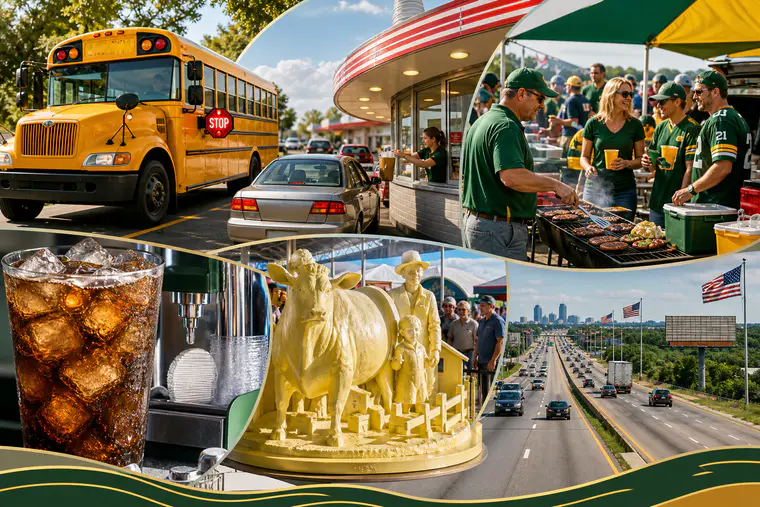
If you’ve ever stepped off a plane in the United States and thought, “Wait, they do what here?”, you’re not alone. From the way restaurants handle the bill to the ritual of Friday night high school football, the U.S. is full of practices that feel perfectly normal to locals but wildly unusual to visitors. This guide rounds up the most striking “only-in-America” quirks, explains why they exist, and gives you practical tips for navigating them with confidence.
Before We Start: “Only in the U.S.” (Kind Of)
Many of these customs are uniquely American in scale or origin, even if you might find a version of them elsewhere. The U.S. also varies enormously by region. A habit that feels universal in Texas might be rare in Vermont. Think of this list as a traveler’s field guide, not a legal code.
Money, Prices, and Tipping: The Checkout Curveball
Sales Tax Isn’t in the Sticker Price
In most countries, the price you see on the shelf is what you pay. In the U.S., most goods are priced before sales tax. The final amount jumps at the register, and that tax percentage can vary by state, county, and city. Two neighboring towns can charge you different totals for the same item. Tip: if your budget is tight, mentally add a few extra percent to posted prices to avoid surprises.
Tipping Culture Is Real (and Expected)
Tipping isn’t just a “nice to have” in the U.S.—for many service workers it’s a core part of earnings. You’ll encounter tip prompts on screens at cafes and food trucks, not just at white-tablecloth restaurants. As a baseline:
- Sit-down restaurants: 18–22% of the pre-tax bill for good service
- Bars: $1–2 per standard drink or 18–22% on a tab
- Coffee/quick service: optional; 10–15% if you received personalized service
- Taxis and rideshare: 15–20%
- Delivery drivers: $3–5 minimum or ~15%
- Hotel housekeeping: $2–5 per night left in an envelope or a note
If a service charge is added automatically (common for large groups), additional tipping may be reduced or unnecessary—ask your server.
Generous Return Policies
American retailers are famed for lenient returns—often 30–90 days with a receipt, and sometimes even without. Electronics and special-occasion wear are exceptions, so always check the fine print. Keep original packaging if you might return the item.
Coupons and Loyalty Apps Everywhere
Clipping coupons from newspapers is now mostly digital. Supermarkets and chains have apps that unlock “members-only” prices. It’s normal to see one shopper pay less than the person ahead because they tapped the right promo.
Food and Drink: Refills, Ranch, and Really Big Portions
Free Refills on Fountain Drinks
Order a soda at many casual restaurants and you’ll often get unlimited refills. Water with ice is free by default. Specialty drinks (fresh juice, bottled beverages, milkshakes) typically don’t refill—ask if you’re unsure.
Portion Sizes Are Large
U.S. servings can be surprisingly big. Splitting a main dish, ordering an appetizer as a meal, or taking leftovers “to-go” is perfectly acceptable. In fact, most restaurants will offer boxes without judgment.
The Ranch Dressing and Peanut Butter Love Affair
Ranch dressing—creamy, herby, and often served with pizza, wings, or veggie platters—is an American staple that confuses some visitors. So is peanut butter in savory sauces and the classic peanut-butter-and-jelly sandwich. If you’re curious, try a “ranch + hot sauce” combo with fries or wings—it’s a local hack.
State Fairs: Deep-Fried Imagination
Across the Midwest and South, state fairs are summer institutions. Think butter sculptures, giant livestock, and a daredevil menu that can include deep-fried candy bars and pickle-flavored everything. It’s culinary theater as much as cuisine.
On the Road: A Car-Centric Country with Drive-Thrus for (Almost) Everything
Drive-Thru Culture
Americans don’t just drive through for burgers. You’ll find drive-thru pharmacies, banks, coffee huts, and in a few places, even chapels. Curbside pickup (order online, staff bring it to your car) boomed and is still common. If you’re traveling without a car, look for “walk-up window” alternatives in dense areas.
Right Turn on Red and Four-Way Stops
Two common road rules can surprise visitors:
- Right turn on red: After stopping, it’s usually legal to turn right at a red light unless a sign says otherwise. Watch for pedestrians and oncoming traffic.
- Four-way stop: At intersections with stop signs on all sides, the first car to stop is the first to go; ties go to the vehicle on the right. Make eye contact and proceed calmly.
Iconic Yellow School Buses
School buses—big, yellow, and equipped with a fold-out stop sign—have strong right-of-way protections. When that stop arm is extended and lights flash, traffic in many directions must stop. Fines for violations are hefty; when in doubt, wait.
Interstates, Billboards, and Rest Areas
The U.S. Interstate Highway System makes long road trips straightforward. You’ll see frequent billboards, standardized blue exit signs listing food and fuel, and free rest areas with bathrooms and picnic tables. Some states also have High-Occupancy Vehicle (HOV) lanes you can use with multiple passengers or—depending on rules—electric vehicles.
Sports, School Spirit, and the Pageantry of Game Day
High School Football Friday Nights
In countless towns, fall Friday nights revolve around high school football. The spectacle includes marching bands, cheerleaders, concession stands, and packed bleachers. You don’t need to know the rules to enjoy the community vibe.
College Sports as Big-Time Entertainment
U.S. college sports draw massive crowds, national TV coverage, and fierce rivalries. Some stadiums hold over 80,000 fans. Tailgating—setting up grills and coolers in the parking lot before games—is a ritual of its own. Expect folding chairs, cornhole games, and regional barbecue pride.
The Anthem and Halftime Shows
Playing the national anthem before sporting events is standard, even for local games. Halftime entertainment often features elaborate marching band formations or dance teams. If you see a costumed mascot hyping the crowd, play along—it’s part of the fun.
Laws, Health, and Fine Print: A Patchwork by Design
Federal System, Local Rules
America’s federal structure means different states—and sometimes counties or cities—set their own rules on issues from fireworks to store hours. Alcohol laws, cannabis possession, and even plastic bag use vary widely. When you cross a state line, some everyday rules can change too.
Prescription Drug Ads on TV
Direct-to-consumer prescription drug commercials—complete with rapid-fire side-effect disclaimers—are a fixture of U.S. television. They’re rare globally and a cultural shock for many visitors. If a product sounds too good to be true, talk to a clinician; ads are marketing, not medical advice.
Credit Scores Touch Many Parts of Life
Beyond loans and credit cards, landlords and insurers may check your credit history. Newcomers often build credit with secured cards or by getting added as an authorized user on a trusted friend’s or family member’s account. Paying on time is the single most important habit.
Civil Lawsuits and Class Actions
From “call this number if you were affected” ads to high-profile verdicts, civil litigation is a visible part of American life. Class-action suits bundle many small claims into one large case, which is why you might receive unexpected emails about settlement eligibility.
Holidays and Rituals: Big Feasts, Big Games, Big Sales
Thanksgiving and the Long Weekend
On the fourth Thursday in November, families gather for turkey, stuffing, and pie. The Friday after—Black Friday—launches the holiday shopping season with deep discounts. In recent years, many deals start online as early as Thursday night.
Super Bowl Sunday
Even non-football fans tune in for the Super Bowl in February. It’s as much about commercials, halftime shows, and snacks as the game. Buffalo wings, chili, and chips with dips are staples.
Halloween at Full Volume
Expect front yards transformed into haunted houses, costume parades at schools, and kids trick-or-treating for candy on October 31. If you have children, early evening is the sweet spot. Bring a flashlight and stick to well-lit neighborhoods.
Quirky Traditions
From groundhogs predicting spring to a ceremonial White House turkey “pardon,” the U.S. embraces pageantry with a wink. Local festivals are just as colorful—cherry blossoms in D.C., crawfish boils in Louisiana, or lobster rolls in New England.
Customer Service and Everyday Interactions
Friendly Chit-Chat Is Normal
Cashiers and servers often open with “How’s it going?” It’s a greeting, not an interrogation. A quick “Good, thanks—how about you?” is perfect. You may also notice proactive service—staff offering recommendations or checking back frequently—partly because tip-based models reward attentiveness.
Ice, To-Go Cups, and Doggie Bags
Expect lots of ice in cold drinks unless you ask for “light ice.” Taking leftovers home is standard; so is grabbing coffee to go. Reusable tumblers are welcome at many chains and sometimes earn a discount.
Tech, Payments, and Gas Stations
Contactless Is Common, but Cards Still Rule
Contactless tap-to-pay is widespread, yet magstripe or chip credit cards remain a backbone. Some stores ask to see ID with card purchases; don’t take it personally. At small cafes, you may be offered a QR code to tip after the transaction.
Buying Gas by the Gallon
You’ll pay for gasoline by the gallon and usually prepay at the pump by card. If an attendant asks you to enter your ZIP code, use the postal code linked to your billing address. Many stations offer a small discount for linked loyalty programs.
Why These Things Exist: History, Scale, and Incentives
- Cars and space: Postwar suburban growth and inexpensive land fostered parking lots, wide roads, and the convenience-first ethos behind drive-thrus and curbside pickup.
- Federalism: With 50 states setting many of their own rules, variation is baked in—from taxes to consumer protections.
- Market competition: Retailers fight for loyalty with generous returns, coupons, and perk-laden apps.
- Community identity: Schools and colleges double as cultural centers in many towns, which fuels game-day rituals and outsized enthusiasm for bands, mascots, and tailgates.
Practical Tips for Visitors (and New Locals)
- Budget for add-ons: Remember sales tax and likely tips when comparing prices.
- Ask about refills: Free for fountain drinks, not for bottled or specialty items.
- Share plates or box it up: No stigma—portion sizes make it easy.
- Download the store app: Grocery or pharmacy apps unlock lower prices.
- Learn a few road rules: Right on red after a full stop; respect school buses; beware of variable speed limits.
- Check state rules before you go: From fireworks to cannabis, laws differ. Official state websites are your best source.
- Tailgate like a pro: Bring a small cooler, folding chairs, sunscreen, and a trash bag. Be a good neighbor; offer to share snacks.
A Fun “Only-in-America” Scavenger Hunt
See how many of these you can spot on one trip:
- A drive-thru pharmacy or bank tube
- A yellow school bus deploying its stop arm
- Free soda refills and a mountain of ice
- A grocery aisle with 20+ varieties of breakfast cereal
- A tailgate party before a college or pro game
- A giant roadside billboard for an attraction hundreds of miles away
- A state fair food that makes you do a double-take
Final Thought
Part of the joy of travel is leaning into the oddities. The U.S. can feel over-the-top, but most of its quirks grew from practical choices—make things fast, big, and friendly—and then took on a life of their own. Know the basics, embrace the spectacle, and you’ll not only avoid faux pas—you’ll have better stories to tell when you head home.
Frequently Asked Questions
Is tipping in the U.S. legally required?
No, but it’s a strong social norm in many service settings and often factored into worker pay. If service is truly unacceptable, speak to a manager before withholding a tip.
Why isn’t sales tax included in U.S. price tags?
Sales tax rates vary by state and even city, so retailers display pre-tax prices and add the applicable rate at checkout. It keeps shelf labels consistent across locations.
Are prescription drug commercials normal?
In the U.S. they are, and they’re tightly regulated for disclosures. Treat them as marketing, not medical advice, and consult a licensed clinician for decisions.
What should I do if I don’t understand a road rule?
Prioritize safety: slow down, yield, and observe local drivers. Use your phone’s map app to preview turns and lanes, and review state driving guides before a road trip.
Approved member comments will appear here.